
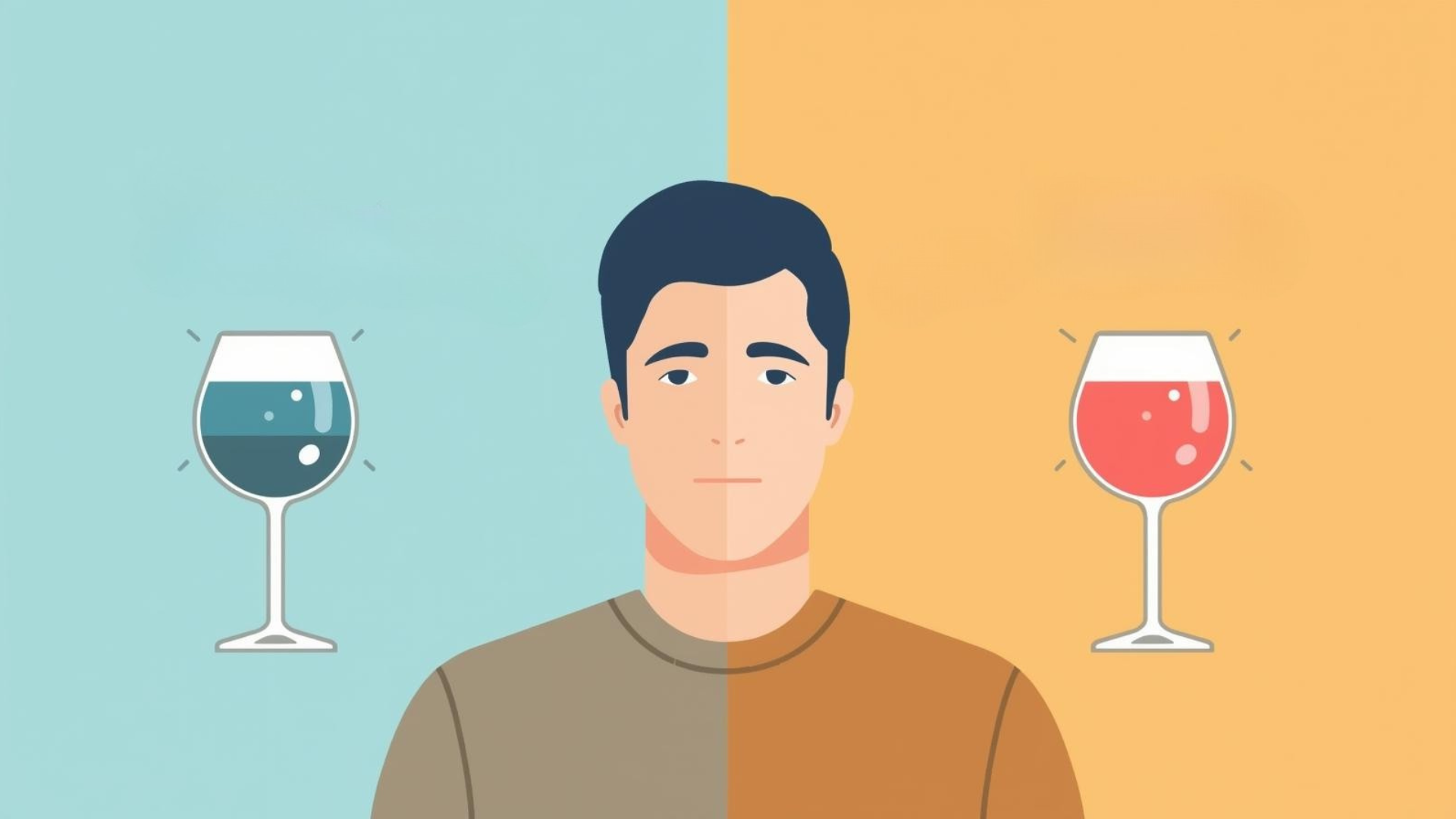
For many men, drinks with friends, family and colleagues are an integral part of life and perform an important social function. In recent years, however, there has been much more national reflection on whether the amount of alcohol we consume is good for both our physical and mental health. One of the clearest manifestations of this is Dry January, which sees millions of Brits attempt to abstain from alcohol for the first month of the year.
There are many motivations for this. Some of us want to reset our bodies and minds after an intense (and expensive) festive period. Others are interested in learning about what life with less booze feels like. And for a few, it is the first step towards a life without or with significantly reduced alcohol consumption after struggling with dependency. According to the latest government statistics, there are over 600,000 adults with an alcohol problem in England alone. The problem is more acute among men; Drinkaware highlights that the rate of alcohol-specific deaths among men is more than double women.
Whatever your motivations, Dry January can provide a fantastic opportunity to strip away the numbing effects of alcohol and notice how you actually feel.
Can Alcohol Cause Anxiety?
To put it simply, alcohol can both trigger and worsen anxiety. Alcohol affects the central nervous system, which plays a key role in how we experience stress, emotion and threat. In the short term, drinking slows things down. It dampens anxiety, softens emotional edges and can create a sense of calm or confidence. For many men, this is a core part of alcohol’s appeal.
As alcohol leaves the body, the nervous system has to recalibrate. The temporary suppression lifts, and the brain can swing in the opposite direction. We become more alert, more sensitive and more reactive than before. This is often described as “rebound anxiety”, and it can leave you feeling tense, unsettled or on edge.
This is compounded by its effects on our sleep. While alcohol can help you fall asleep, it disrupts the quality of rest later in the night, reducing deep sleep and leaving the body under-recovered. The next day, this can heighten stress and make emotions harder to regulate. This explains why hangovers are often emotional as well as physical; alongside fatigue or headaches, some people experience low mood, irritability or anxiety that feels out of proportion. In reality, this is the nervous system reacting to a chemical comedown, poor sleep, and a temporarily reduced capacity to cope with stress.
What Dry January Can Reveal (That Drinking Often Hides)
Dry January is often framed as a test of discipline. In reality, it can be more useful to think of it as a period of information gathering. When alcohol is removed, even temporarily, certain feelings can come into clearer focus. For some men, this includes restlessness or irritability. For others, it’s a sense of flatness, low mood, or anxiety that feels oddly directionless. There may also be a stronger urge to stay busy, distracted, or constantly occupied.
It’s easy to interpret these reactions as signs that something is “wrong”, or that stopping drinking has made things worse. In many cases, the opposite is true. The discomfort isn’t caused by not drinking; it’s the result of removing one of the main ways those feelings were being softened or pushed aside.
This matters particularly for men, as therapist Karen Goodhew notes. When emotional pressure builds, alcohol can become the most socially acceptable way to switch off without having to explain, reflect, or talk. Karen says in an article she wrote for us that: “When men’s mental health begins to decline, many turn to unhealthy coping mechanisms, with alcohol being a common one. Suppressing emotions becomes routine, leading men to seek relief in unhelpful ways. Alcohol may feel like a short-term fix, but long-term use often contributes to anxiety and depression.”
Seen this way, Dry January isn’t about abstinence. It’s a chance to notice patterns, and to treat them not as failures, but as signals worth paying attention to.
If This Feels Familiar, Therapy Can Help
For many men, the idea of therapy raises the immediate concern that it means giving something up. In this context, alcohol is often the unspoken fear. It’s important to be clear that therapy is not about telling you to stop drinking, or judging how much you do or don’t drink.
At its core, therapy is about understanding. It offers a space to explore why alcohol plays the role it does in your life, and what it might be helping you manage; stress, pressure, boredom, anxiety, or emotions that are harder to name. From there, it becomes possible to develop other ways of regulating those feelings, so alcohol isn’t doing all the emotional heavy lifting.
For many men, therapy is simply the first place they’ve been allowed to speak honestly and without fixing, joking, or minimising. There’s no expectation to arrive with answers, or even with a clear problem. Curiosity is enough.
If you’re interested in exploring this further, our therapist directory offers access to counsellors and psychotherapists who work specifically with men, across a wide range of issues and approaches.
Alcohol isn’t always the enemy, and Dry January doesn’t need to come with big conclusions. What it can offer is a moment of clarity, and an opportunity to notice how you feel without numbing or distraction. For some, that curiosity naturally leads to deeper reflection, and therapy is simply one way of continuing that exploration at your own pace.