By Helen Stephens, Integrative Counsellor BA(hons) MBACP (Accred)
When most people hear “people-pleasing,” they often picture someone who never says no, is always smiling, and always agreeable. It’s easy to assume that this is more of a “female trait.” But men people-please too, and often in ways that go unnoticed even by themselves. Quietly, it can take a huge toll on mental health, relationships, and a sense of identity.
The Hidden Side of Male People-Pleasing
For men, people-pleasing often doesn’t look like gushing compliments or fussing over others. It can show up as overworking to keep everyone happy, always being the reliable one, or avoiding conflict to the point of silence.
Some men don’t even realise they’re doing it. They’ll describe themselves as “easy-going,” “laid-back,” or “the one who just gets on with things.” But beneath that can be a deep fear: If I push back, if I ask for what I want, if I show I’m struggling, will I still be accepted?
This silent pressure can eat away at self-worth. Instead of living from a place of choice, men often end up living from a place of obligation.
Where It Comes From
Many men grow up with messages like “don’t be difficult,” “don’t make a fuss,” or “real men don’t complain.” Add in the cultural expectation to be strong, provide, and keep emotions in check, and it’s easy to see how people-pleasing takes root.
Research into attachment theory suggests that early relationships shape how safe we feel expressing needs (Mikulincer & Shaver, 2016). If boys learn that showing feelings leads to criticism, rejection, or disappointment, they may grow into men who suppress their own needs to keep others comfortable.
The Inner World of a Male People-Pleaser
From the outside, a man who people-pleases can look dependable, kind, or maybe even “the rock” for everyone else. On the inside, things often feel very different:
- Resentment building up: Constantly saying yes when you want to say no creates frustration. It leaks out as irritability or withdrawal.
- Exhaustion: Always putting others first is draining, leaving little energy for your own wellbeing.
- Loss of identity: Over time, you may forget what you actually want, because your decisions revolve around keeping the peace.
- Fear of rejection: A constant, nagging worry that if you stop pleasing, people will walk away.
What makes this particularly tough for men is that these feelings rarely get spoken aloud. Instead, they sit in the background, showing up as overthinking, anxiety, or a sense of being stuck.
And yes, this might even explain why you agreed to go on that stag do you didn’t fancy, paid for a round the size of your monthly petrol bill, and then pretended you were fine about it.
Why It’s Hard for Men to Stop
One of the toughest truths is this: people-pleasing works, at least in the short term. It keeps conflict low, makes you liked, and helps you feel in control. For men, it can also feel safer than risking disapproval, especially if you’ve been taught that vulnerability is weakness.
But the long-term cost is high. Studies have shown that suppressing emotions and prioritising others at the expense of yourself is linked to higher levels of anxiety, stress, and even burnout (Gross & John, 2003).
It’s a bit like keeping a dodgy boiler running by turning up the radio so you can’t hear the clanking. It’ll get you through a few winters, but eventually something’s going to give.
What Breaking the Pattern Looks Like
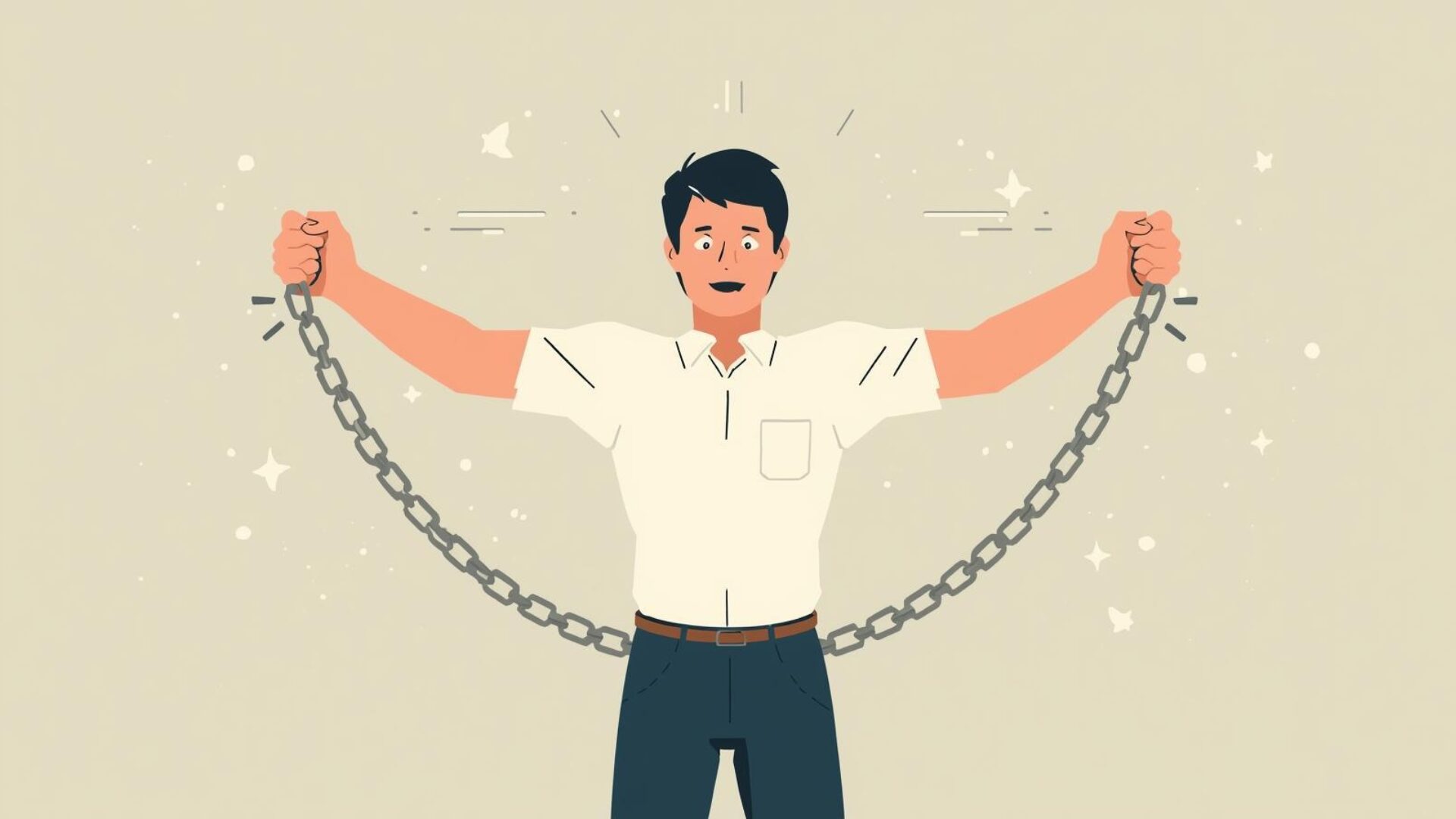
Breaking free from people-pleasing doesn’t mean swinging to the opposite extreme and becoming selfish or uncaring. It’s about balance: recognising that your needs matter as much as anyone else’s.
For men, this often begins with tuning into that quieter inner voice, the one that knows when you’re saying yes while silently screaming no. It might feel uncomfortable at first, but noticing those moments is the first step towards change.
Setting boundaries or expressing needs doesn’t make you less of a man. In fact, it takes strength to risk being seen for who you really are, rather than who you think you should be.
Moving Forward
If you recognise yourself in this, know that you’re far from alone. Many men carry this silent burden of always pleasing others. Counselling can be a space to unpick where those patterns came from and to explore what it feels like to live more authentically, without fear of letting people down.
It’s not about rejecting kindness or care for others. It’s about finally including yourself in that care.
Final Thoughts
People-pleasing may keep things smooth on the surface, but beneath it, many men feel trapped, resentful, and unseen. The good news? These patterns aren’t fixed. With the right support, it’s possible to build relationships, and a life, where your needs matter too.