
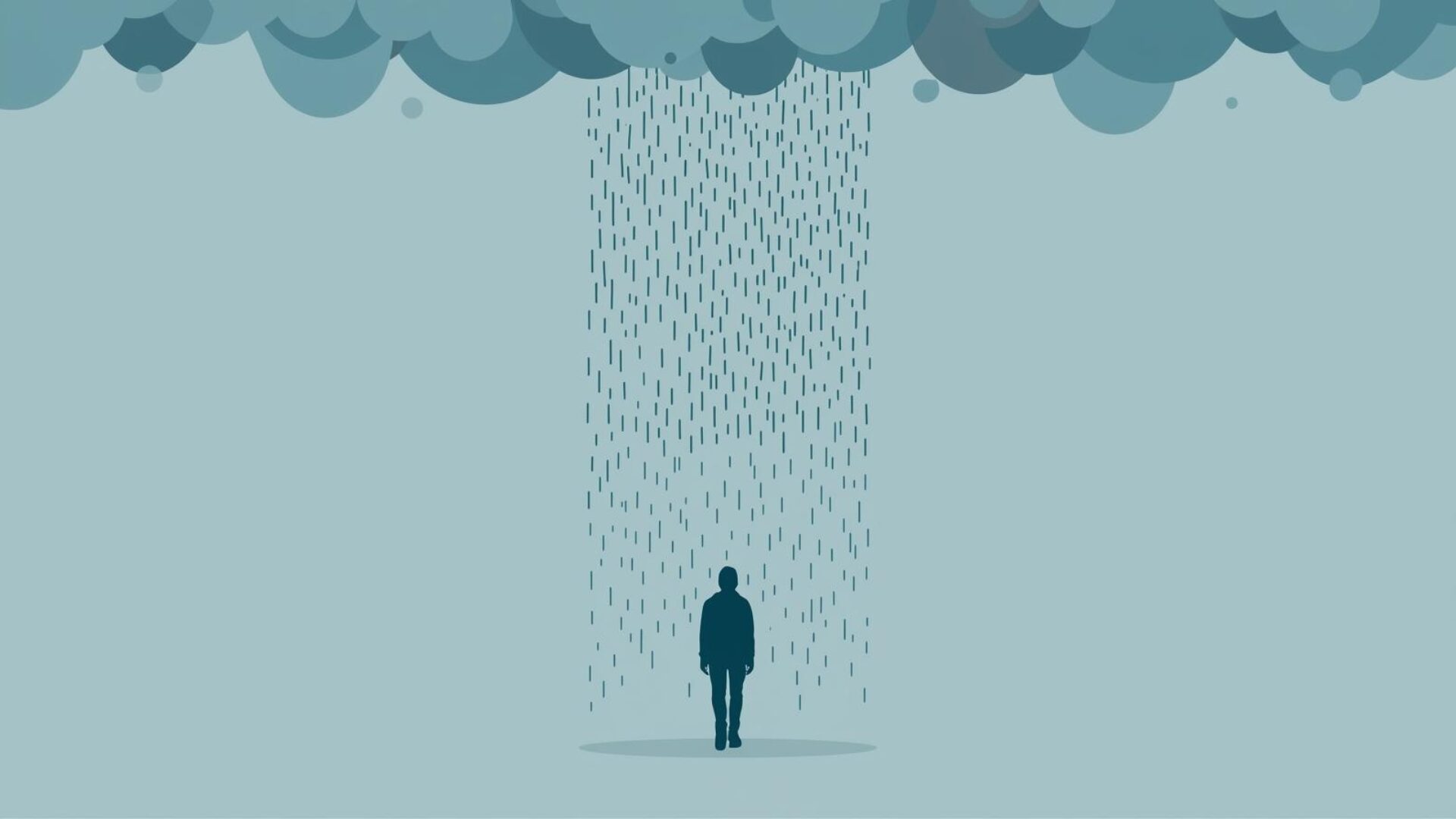
November brings about dark nights and dreary weather. When the clocks go back and the nights draw in, it’s very easy to find your energy drained, your enthusiasm sapped, and your motivation in tatters.
This happens to millions of us every year, and if you’re feeling extra sluggish in the runup to the festive season, you’re almost certainly not alone. We’re typically early risers here at MCS, but we have definitely noticed that getting out of bed is that little bit harder at the moment.
Is it just a bad case of winter blues, or is there something deeper going on? Many of us suffer from what is known as Seasonal Affective Disorder, or SAD, often without realising it. Seasonal Affective Disorder is a winter depression typically linked to the change of the seasons, and while it is easy to see it as the flipside of spring vigour, it actually has a genuine clinical basis.
We have put together this handy guide that will hopefully help you recognise Seasonal Affective Disorder, and how it can affect you. While it doesn’t always require professional support, having a particularly tough time is perhaps a sign that you might benefit from talking about your problems with a professional.
What Seasonal Affective Disorder Actually Is
There are several ways that the symptoms can present. Some of the most common include heavy fatigue, loss of motivation, feeling flat or numb, craving carbs, sleeping more, and irritability or difficulty concentrating. According to the Royal College of Psychiatrists, around three in every hundred people in the UK experience a significant winter depression, which demonstrates that over a million people are affected in any given winter.
Without going too much into the science, when natural light drops, the body’s internal clock (circadian rhythm) becomes disrupted. This can make it harder to regulate sleep, energy, and mood. Unfortunately, the payoff from the extra hour in bed when the clocks go back is limited. Lower sunlight exposure can also reduce serotonin – the chemical linked to feeling stable and motivated – and increase melatonin, which can leave you sluggish or overly tired. This explains why Seasonal Affective Disorder can feel a little bit heavier than a case of the Monday blues; the shift is happening at a chemical and neurological level.
It’s important to say that the disorder exists on a spectrum: for some it’s mild and manageable, while others experience a more intense depression that disrupts work, relationships, or day-to-day functioning. If your mood consistently drops every year and you feel like you want to do little other than hibernate when the nights close in, you could be dealing with it. Recognising the signs early can help people avoid months of unnecessary struggle, especially given that effective Seasonal Affective Disorder treatment options are available.
How Men Experience and React to Seasonal Affective Disorder
What makes it tricky is that many symptoms overlap with everyday winter behaviour. In our experience, men can often assume that these are symptoms of laziness, burnout, or a lack of discipline. This can lead to a vicious circle in which we are self-critical for feeling this way, which can in turn reinforce the negative feedback loop. If you are feeling a seasonal low mood, it is perhaps advisable to go easy on yourself, and remember that it can be a perfectly normal reaction to this big change in external stimuli.
There can be a lot of pressure in life to be always on and the best version of yourself, but this isn’t reflective of how most people are wired. By holding yourself to unrealistic standards, it’s easy to be harsh on yourself – adding to the woes of seasonal depression. Experiencing the disorder doesn’t mean there’s something wrong with you, it just means that your mind and body are responding to a very real seasonal change.
And while its effects can range from mildly disruptive to genuinely debilitating, it’s far from rare. Recent research suggests that SAD-related symptoms may affect around 12.5% of people in long-term population studies — far more than most of us realise. And yet, despite how common it is, many men still misinterpret these changes as personal failings rather than a seasonal shift in mood and biology.
What Can Help During the Darker Months
While SAD can make life difficult during the winter months, there are ways to make it more manageable. Small changes – like getting natural light early, in the day, keeping a steady sleep routine, and exercise – can help soften the edges of a low mood. Vitamin D also makes a significant difference to some people.
And, if you’re finding the emotional weight of winter particularly heavily this year, talking to a professional can also help you make sense of it. Therapy offers a space to understand what you’re feeling, spot patterns, and build tools for getting through the darker months with more confidence and clarity.
If things are feeling tougher than usual, it might be a good time to explore whether speaking to a therapist could help steady things. Find a therapist near you in our directory today.