By Gurchehn Singh, Counsellor & Psychotherapist
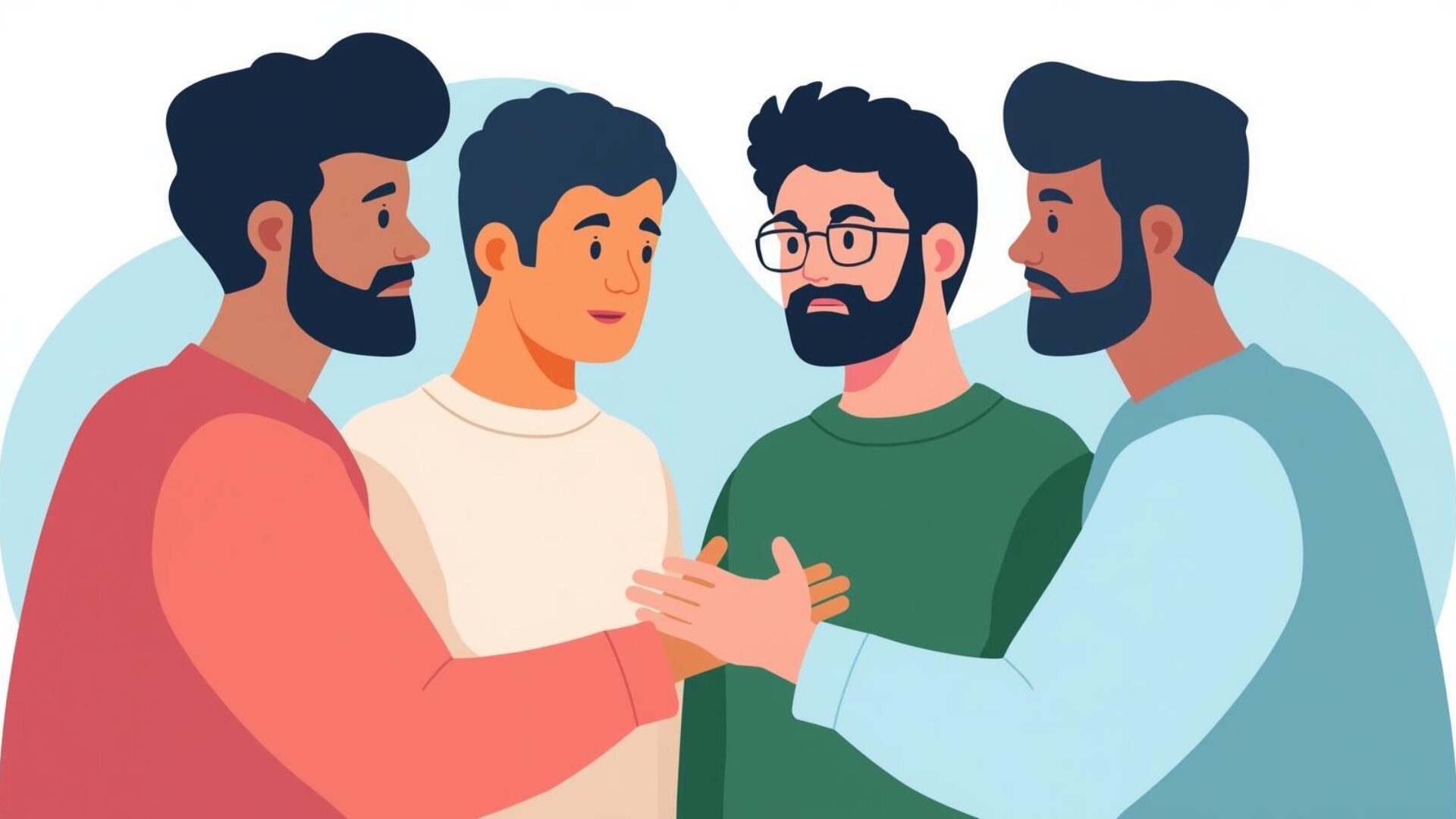
Opening up about feelings can feel uncomfortable, even taboo, for many South Asian men. Whether it’s work stress, family pressure, or feelings of sadness and anxiety, discussing mental health is often seen as “something other people do.” In many South Asian families, stigma, tradition, and expectations make it harder for men to seek support or even consider counselling for South Asian men in the UK.
This article explores why it feels difficult to talk, and why breaking the silence matters.
The Pressure to Stay Strong
In many South Asian households, men are expected to be breadwinners, protectors, and decision-makers. From a young age, boys may hear phrases like “be tough” or “boys don’t cry.” Although usually said with good intentions, these messages teach men that expressing emotion is a kind of weakness.
Research shows that men worldwide are less likely than women to seek professional help for mental health difficulties (Mahalik et al., 2007). For South Asian men, cultural ideas about honour (izzat) and masculinity can deepen this divide.
The Stigma Around Mental Health in South Asian Men
Mental health stigma remains one of the biggest barriers to support. Feelings of stress, anxiety, or depression may be dismissed as “just life,” or explained away through physical symptoms like headaches, body tension, or tiredness. Some men fear that showing emotion could bring shame (sharam) or reflect badly on their family.
This silence has consequences. When emotions have nowhere to go, they often show up as irritability, anger, withdrawing from others, or feeling alone even when surrounded by people.
Family and Community Expectations
South Asian culture places immense value on family, community, and responsibility. This can be grounding and powerful, but it also creates pressure.
Many men feel responsible not just for their immediate family but extended relatives too. When so much energy is directed outward, personal wellbeing often gets pushed aside. Balancing cultural expectations with emotional needs can feel like an impossible task.
Why It’s Hard to Talk About Feelings
In many South Asian households, women may talk more openly with each other. Men, by contrast, are often expected to stay composed. This creates a double standard: emotional expression is acceptable for women, but judged in men.
This doesn’t mean South Asian men don’t feel deeply. They do. It simply means they’ve been taught not to show it.
Counselling can offer a private, confidential space to challenge these patterns and explore healthier definitions of strength.
The Cost of Staying Silent
NHS Every Mind Matters (2024) notes that bottling up emotions doesn’t make them disappear. In fact, chronic stress and unspoken feelings are linked to physical issues such as high blood pressure and heart disease.
Talking in a safe, confidential space can reduce the burden of carrying everything alone. It isn’t about giving up strength; it’s about sharing the load. Counselling for South Asian men in the UK provides men with somewhere they can talk without fear of judgement or gossip.
Moving Forward
If you’re a South Asian man who finds it difficult to talk about feelings, you’re not alone. These struggles are shaped by culture, tradition, and the roles many men are expected to fulfil.
Seeking help doesn’t make you weak. It shows honesty, courage, and maturity.
You don’t have to start with therapy straight away. Even beginning a small, honest conversation with someone you trust is a step toward change.
Final Reflection
If any of this resonates with you, consider exploring counselling for men in the UK as a place to start. You deserve support just as much as anyone else. A therapist can help you explore what you’re carrying, understand where it comes from, and find new ways of coping that honour both your culture and your wellbeing.