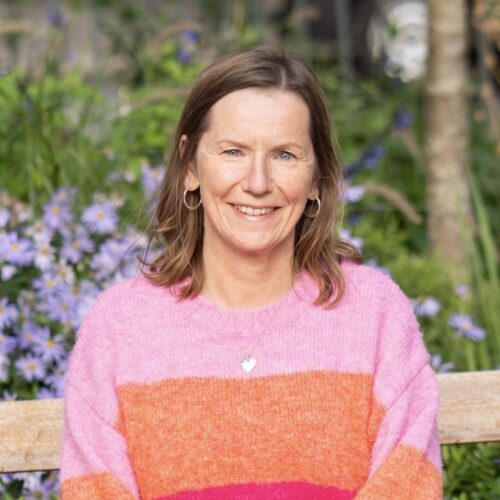
By Lisa Barr, Counsellor in Canterbury & Rochester
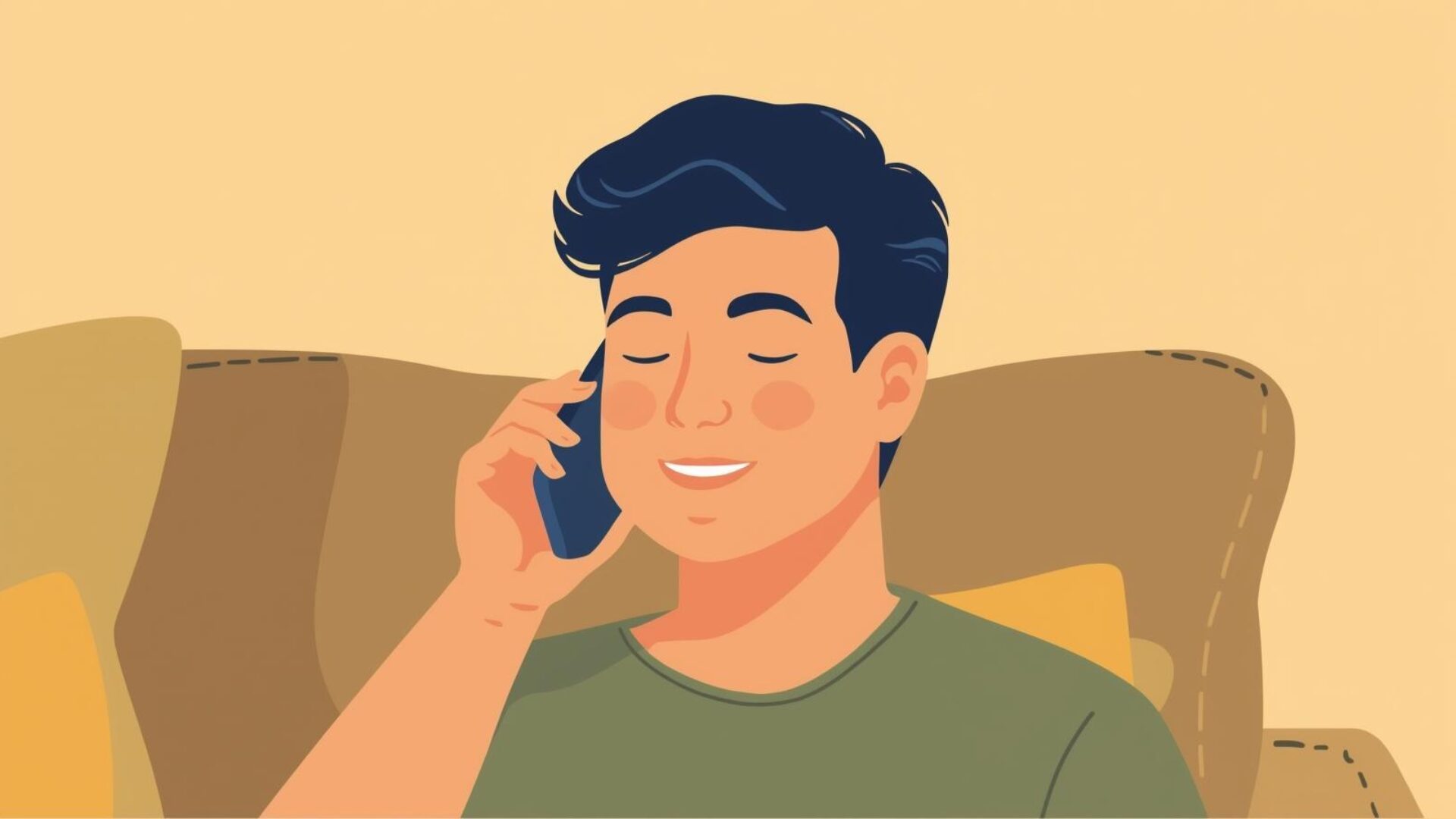
Not many people think about phone therapy as an option when they are considering how they can reach out for help. Neither had I until I started volunteering for the Samaritans as a Listener back in 2022. The facts make it clear that men really need to talk. Men are three times more likely to die by suicide than women (Samaritans), and 47% of men think there is a stigma around attending counselling (BACP). Clearly, men are not always considering therapy as an option when things are getting too much. And yet, at Samaritans, most of the callers I had the privilege of speaking to over the three years I was there were male. Why are they not being drawn to talking therapy in the same way?
I had been drawn to the idea of volunteering for the Samaritans since I was in my 20’s, after one of my friends killed himself while we were at university. It’s hard to put into words how devastating this was. I had no idea that he was feeling so utterly without hope and that he felt like ending his life was the only option he could see to get out of the pain he was in. It makes me unbearably sad to think of how so many others feel totally alone in their pain when there are people out there who are willing to listen to them and be alongside them in their desperation. I can honestly say that nothing in my life has felt as worthwhile as some of the interactions I had whilst I was a Samaritan. The simplest human act of empathising with someone in their pain – not trying to fix them, not trying to cheer them up, and certainly not feeling pity for them – could be (and almost always was) transformative.
One of the things that surprised me was how – by being fully present and listening intently to what callers said – a deep connection was built very quickly. Something maybe about the person in distress not being observed and not having to make eye contact, or about the anonymity of speaking to someone who cared, who would subsequently never know anything more about them other than what they chose to say on that call. They found a lifeline through hearing a voice at the end of the line offering empathy. They no longer felt completely alone and then would begin to share more of what was tearing them apart, with no fear of judgement. Finding a way to this depth of relational humanness, via a voice-only connection, surprised me and also fast became the most meaningful and rewarding part of my week. There was something about shedding all of the societal conditions we carry with us wherever we go, including how we feel we should look or how emotionally ‘strong’ we have to appear to be, that made space for real human connection.
I never expected how much these conversations would move me and give me a renewed sense of connection to other humans. It made me realise how much of our life is consists of masking and not actually getting to talk about what really matters to us, whatever that may be. In fact, these calls were the reason I decided to complete my counselling training, which I had started 7 years prior, in the person-centred approach, founded by Carl Rogers.
The basic tenets of the person-centred approach are non-judgement, empathy and authenticity as a way of being. I had seen for myself that by embodying this way of being with others was undoubtedly a way for them to feel fully seen and heard. What’s more, it gave them a chink of hope, or at least enough of a reason to want to survive another day. Through my subsequent experience of being a counsellor in person, online and by phone, I still passionately believe that phone counselling can offer the most fertile ground for therapy to be effective.
I would love to see phone therapy reframed and offered as a viable alternative to men who might otherwise feel resistant to the conventional way of going to see a therapist in a room somewhere. Men really need a space to talk, where they can be emotionally vulnerable and not have to tackle all of the barriers that may currently be preventing them from accessing a service that could make a real difference to their lives and happiness.